Bespoke technology and automation solutions that elevate the way you live, relax and entertain.


Acoustics is what makes the system sound clear and controlled in your room.
It’s about managing reflections and how sound moves, so dialogue, bass and surround all hold together.
Recognised
since 2021
Best Showroom / Experience Centre
Ongoing Leadership Within
Global Integration
If the system sounds good in one seat but off everywhere else, it’s usually the room. Reflections and reverberation affect how sound carries, so what you hear changes depending on where you sit.
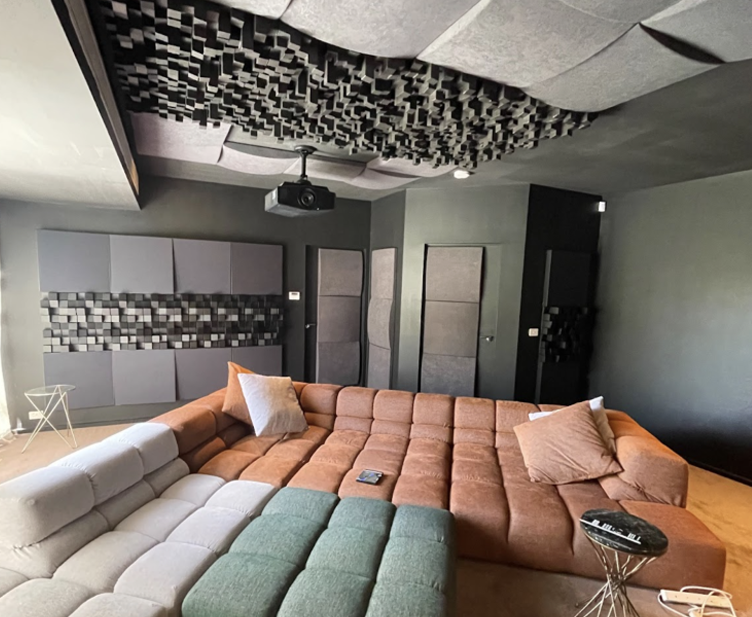
Acoustic treatment helps control that, so the system sounds more consistent across the space without affecting how the room looks.
It’s not about bigger speakers. It’s about how the room handles sound. Treatment controls reflections so what you hear stays clear and consistent. The setup is based on seating and speaker positions, so it works across the room, not just in one spot.
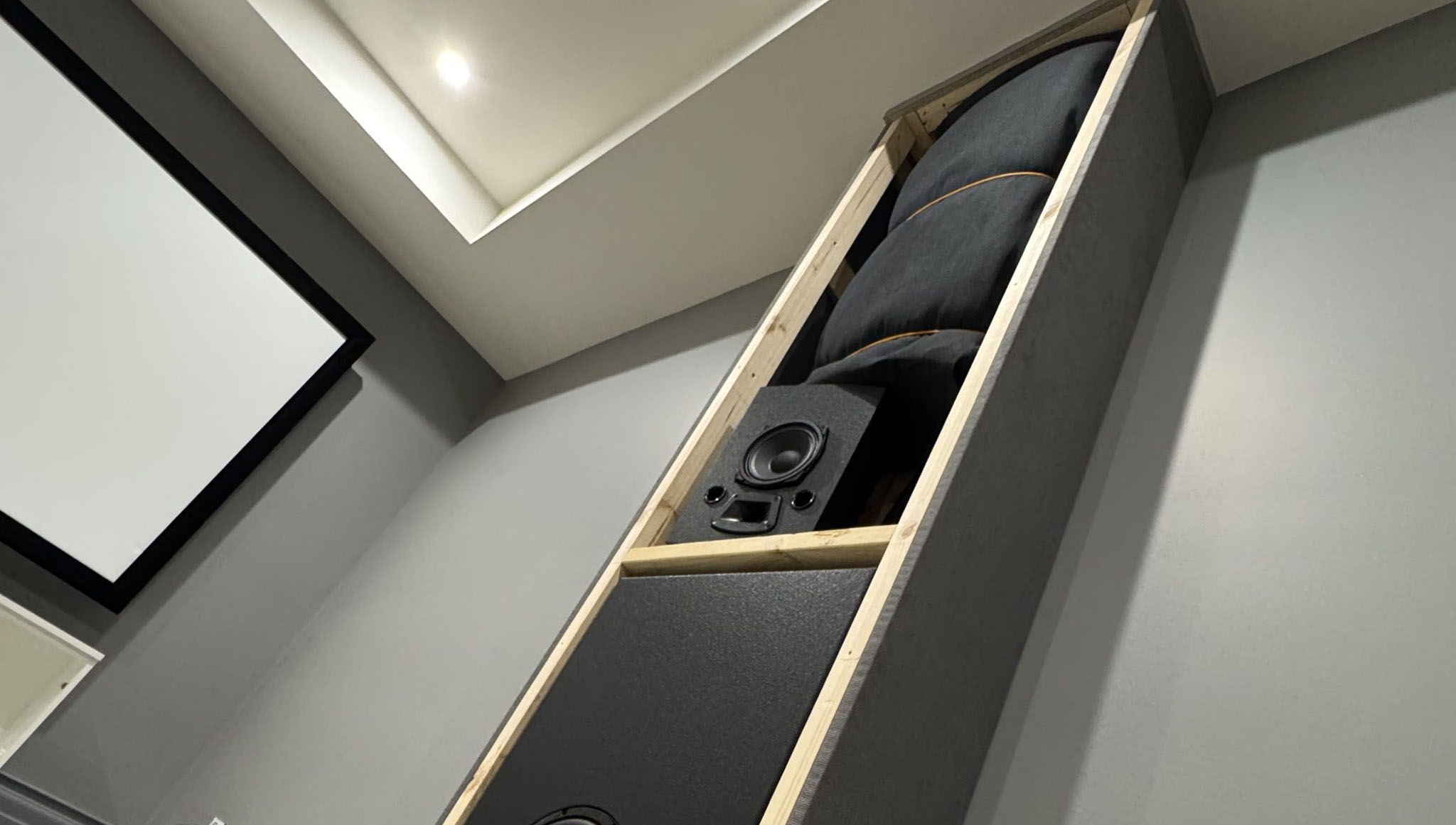
Treatment can be designed to suit the room, with options that blend in or stay out of sight.
Reducing reflections makes speech easier to follow, without the room getting in the way.
Low-end becomes tighter and more even across seats, instead of booming in some spots and missing in others.
We work across Melbourne and surrounding areas, including upgrades to existing rooms as well as new builds. Everything is handled in one place, from planning through to installation.
Design, supply and installation managed together
Treatment planned around your layout and system, not a generic setup
Options that suit the room and don’t stand out unless you want them to
Coordinated with lighting and control so everything works together
Everything is assessed on site so you know what’s being done and why. You get clear recommendations, defined scope, and pricing before any work starts. If you already have an acoustic report, we can work from it or turn it into a practical plan for installation.
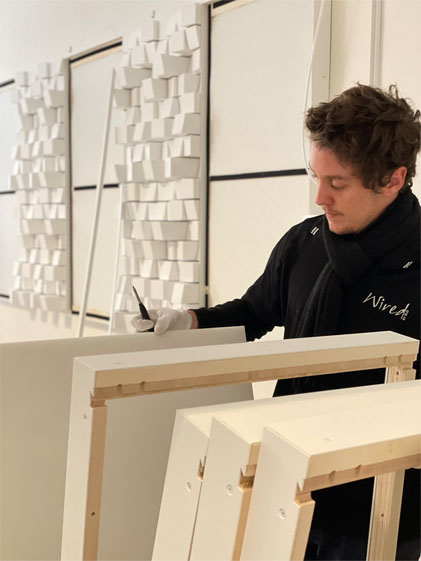
Treatment is planned around your room, then supplied and installed so it works properly in the space. It’s based on your seating and speaker positions, with options that suit how you want the room to look.
Layout planned around where sound needs to be controlled
Finishes and sizes chosen to suit both the room and the result
Panels fitted cleanly and positioned accurately
Treatment can be added over time as the room evolves
If you want a straightforward approach, everything can be bundled into one scope, design, panels and installation handled together.
Treatment is placed where it makes a difference, so reflections are controlled and sound stays clear. The result is a room that feels natural to listen in, not over-processed or uneven.
Even good systems can fall short if the room is working against them. Treatment is used to control how sound behaves, so the system performs the way it should.
Furnishings can help, but they’re rarely enough on their own. We factor them in so the result is consistent. This applies to dedicated rooms, living spaces, and upgrades to existing setups.
You get a layout that’s planned for your room, along with a clear scope for installation.
It’s aligned with your seating, system and how the room is used, with the option to expand later if needed.
You get a layout that’s planned for your room, along with a clear scope for installation. It’s aligned with your seating, system and how the room is used, with the option to expand later if needed.
Materials confirmed and installation booked
Panels installed cleanly, with final placement checked
Book a on-site measure to get started.
If you’re working to a build timeline, booking early helps secure a suitable installation date.
Full room design and build so everything is planned from the start
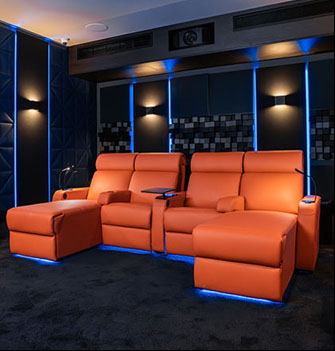
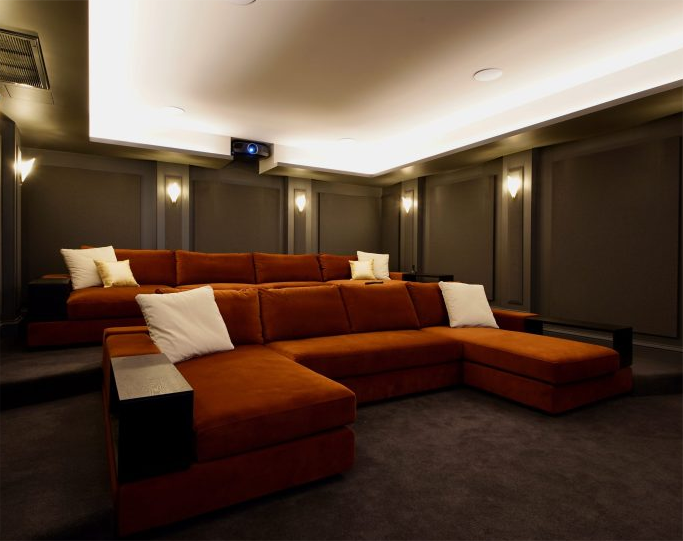
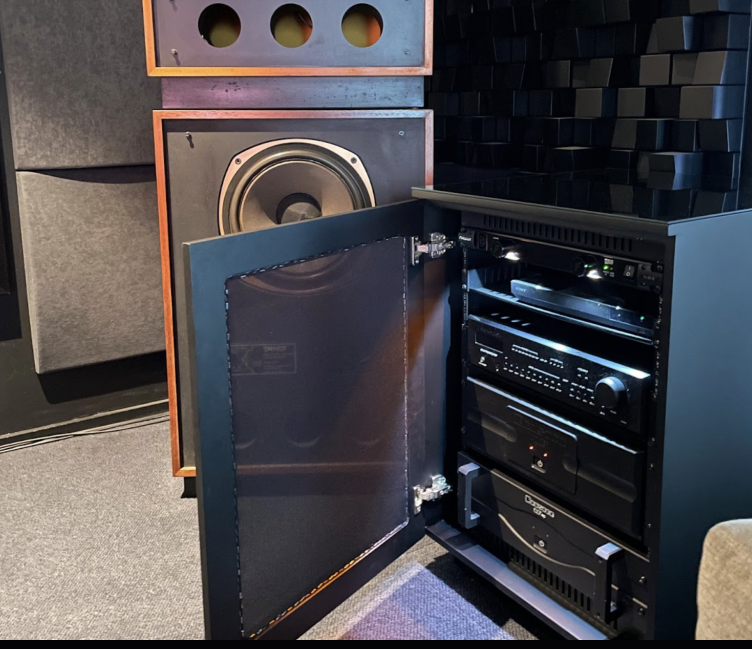
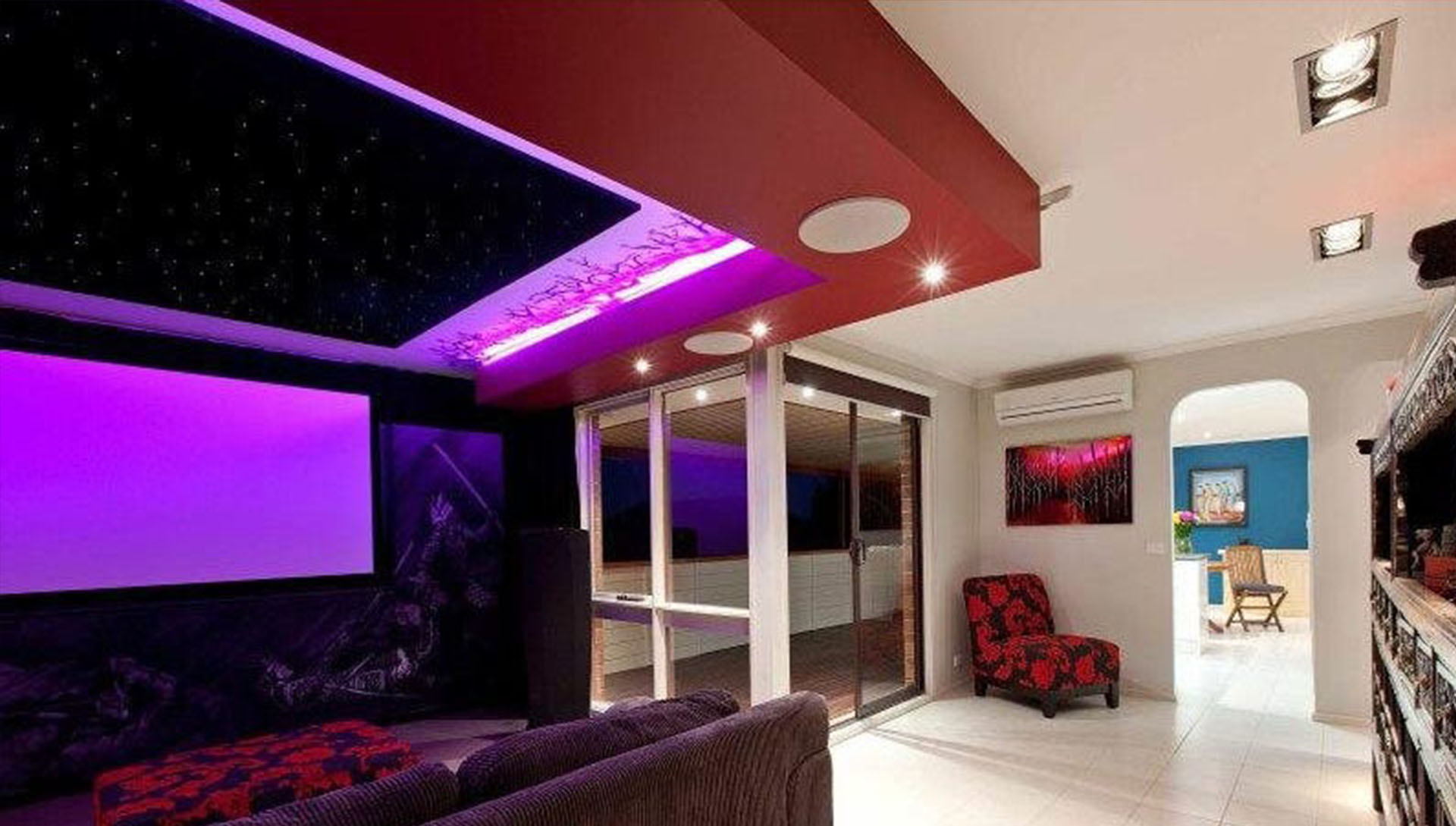
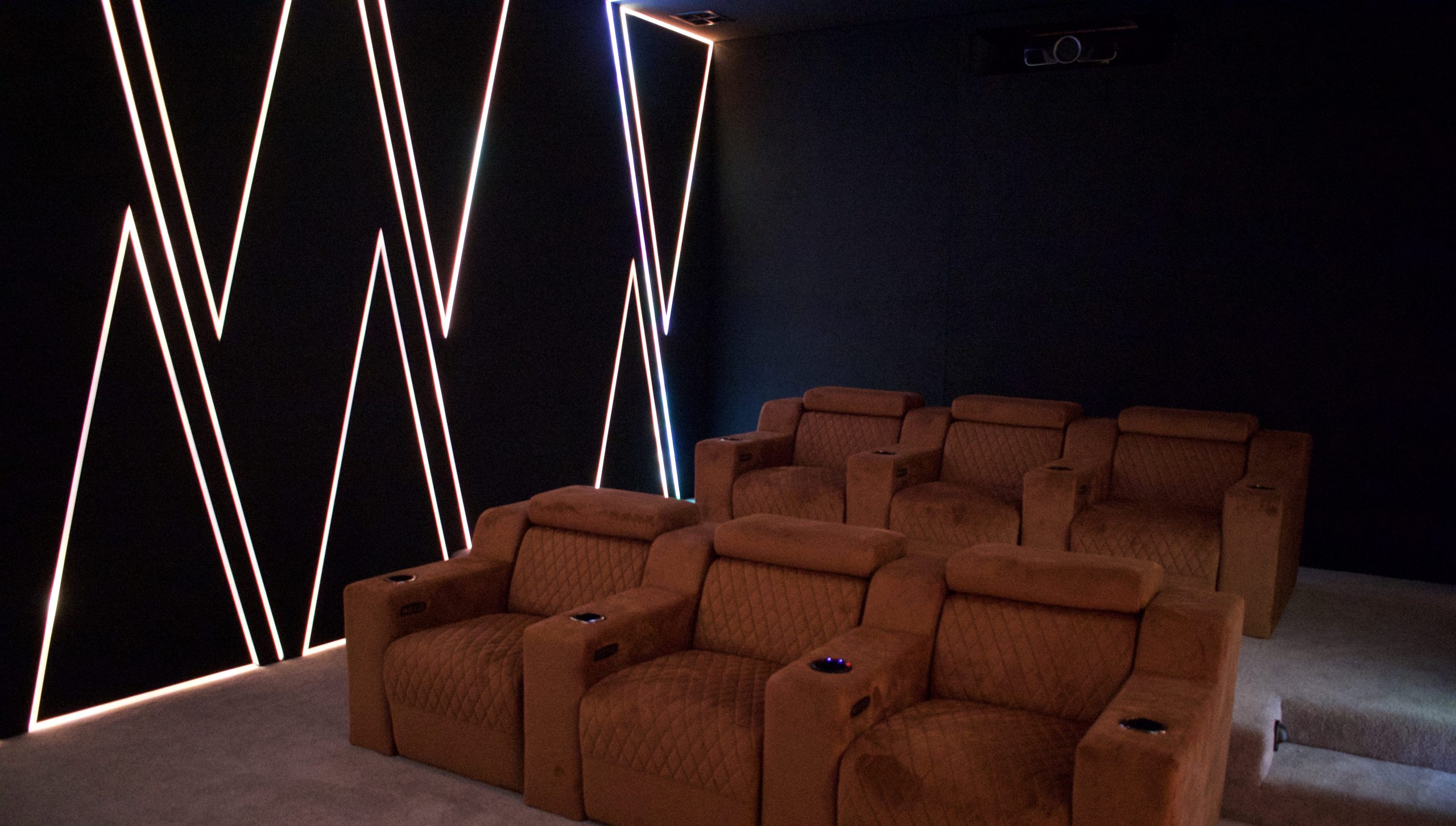
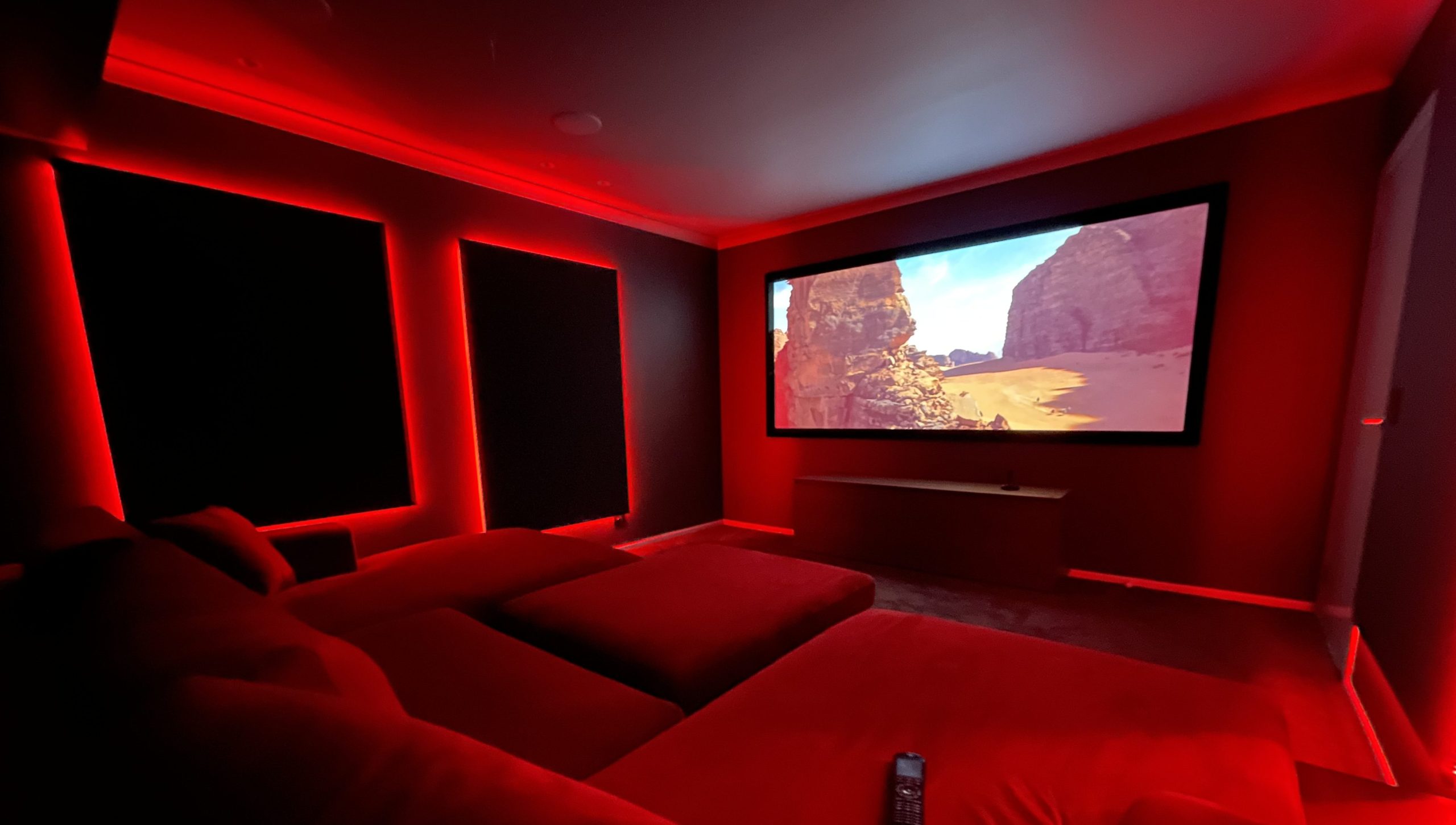
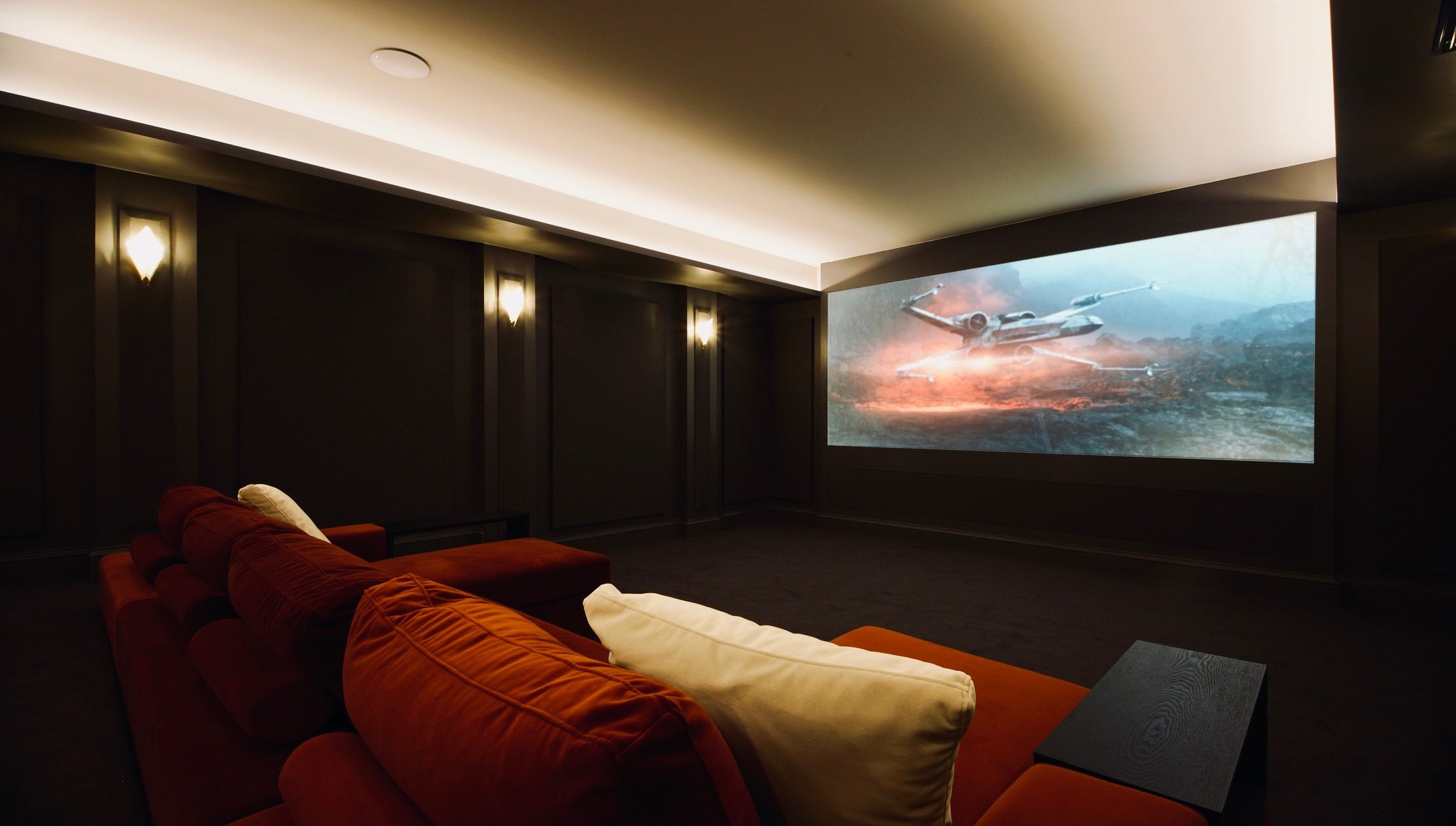
These examples show how treatment works in different spaces, from dedicated theatres to media rooms and selected commercial setups.
Yes. Panels can be finished to suit the room, or placed so they’re not obvious. The goal is to improve the sound without changing how the space feels.
Acoustic treatment is designed to improve sound inside the room by controlling reflections, and it can reduce noise caused by echo and reverberation. Stopping sound leaking in or out is usually soundproofing, which requires different engineering and construction.
Panel thickness affects what frequencies are absorbed. In many home theatres,
1 inch panels: best when space is tight, mainly helps with higher-frequency reflections.
2 inches panels: the most common choice for home theatres, great for first reflection points.
3 inches panels: more control when a room still feels too live or “ringy”.
4×2 feet panels: popular because they cover enough area and are easy to lay out neatly.
If the main problem is boomy bass, we usually add bass traps instead of relying on thicker wall panels alone.

Yes. In open environments, acoustic treatment can reduce noise interference from reflections and reverberation, improve speech intelligibility, and reduce the need to raise the volume to clearly hear dialogue.
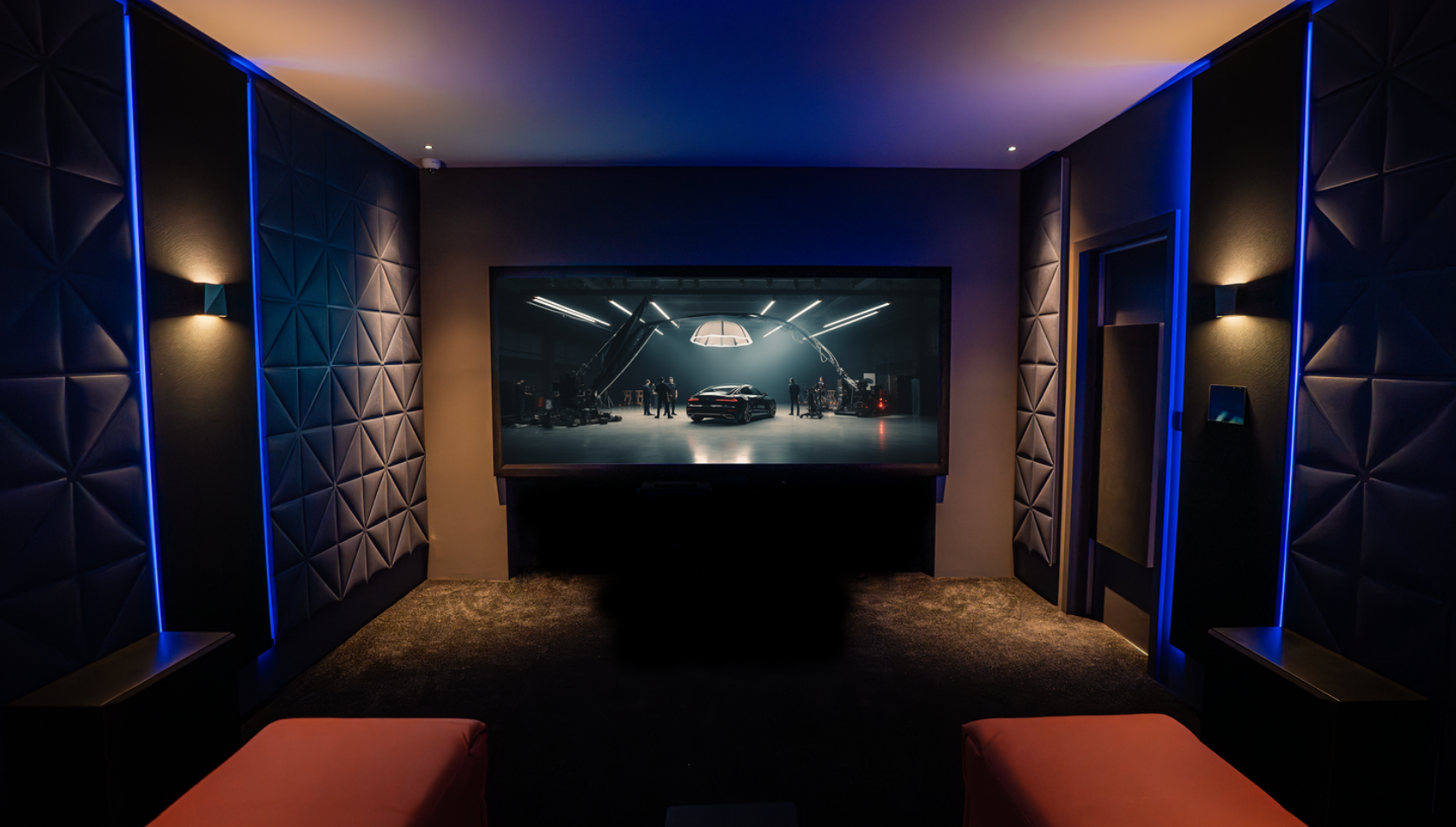
Typically at first reflection points (side walls and often ceiling), the rear wall behind seating, and corners/pressure zones that influence bass. The right layout depends on your room dimensions, speakers, and seating.
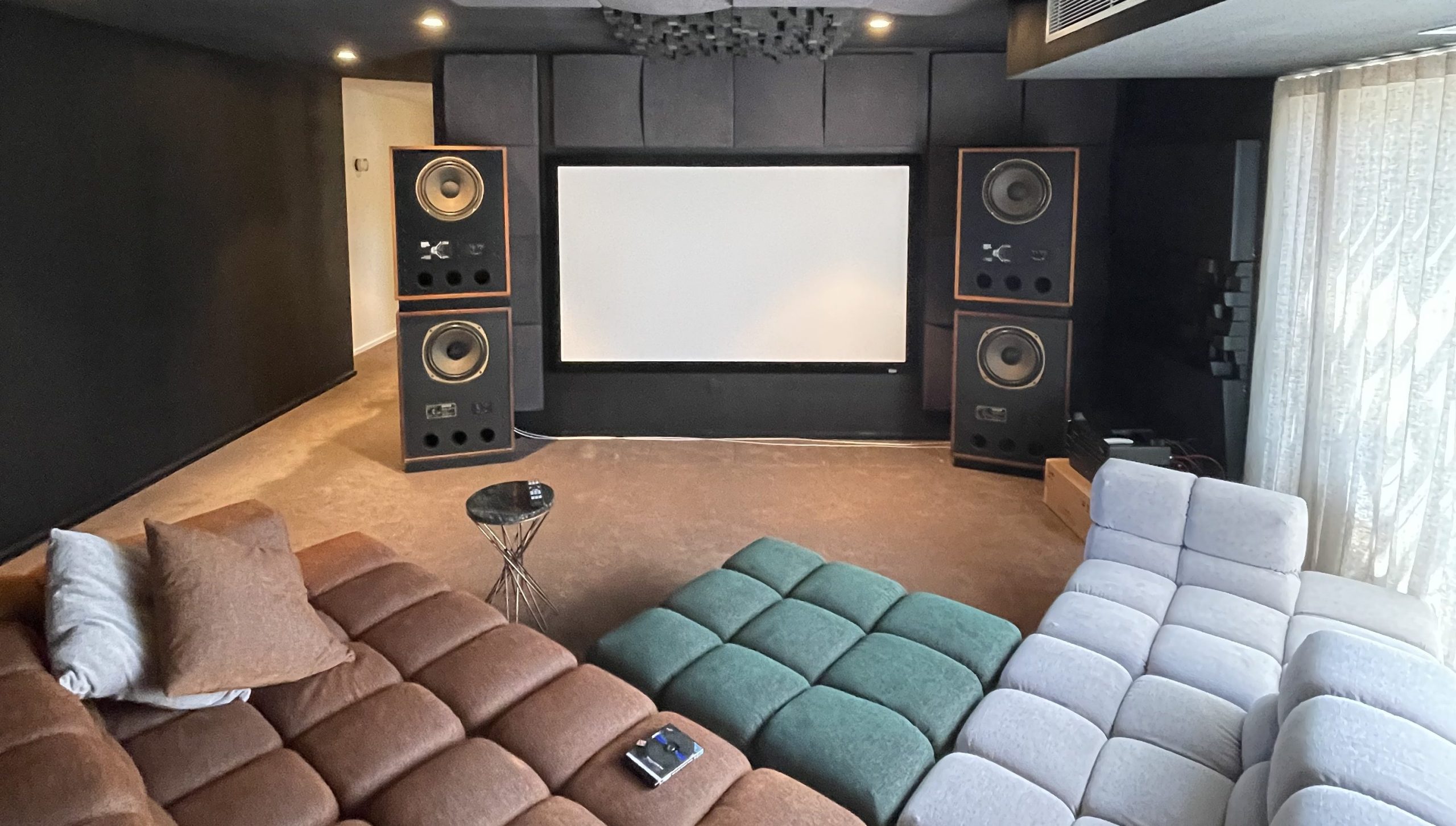
Only if it’s over-treated. The goal is balance, enough control for clarity, without removing the energy and impact that makes movies fun.
Acoustic panels can help reduce unwanted bass, but we usually start with subwoofer placement and seating locations to reduce the need for heavy bass treatment. When moving objects is not an option, specialised bass traps and other low frequency absorption solutions can be added to reduce bass peaks and improve consistency across seats.
The goal is to reduce the level of first reflections so your brain can distinguish direct sound from reflected sound, improving dialogue clarity and imaging. The number of panels depends on how many listening positions you have, how many speakers are in play, and how many first reflection points need attention. Panel type also changes quantity, because no one panel fixes everything. We design a tailor-made plan that mixes wall panels, ceiling clouds, and targeted bass control often delivers better results than simply adding more of one product.
Purpose-built acoustic panels have known performance at specific frequencies, so coverage and placement can be planned. Foam can help in some cases, but performance data is often limited, so results are harder to predic