Bespoke technology and automation solutions that elevate the way you live, relax and entertain.


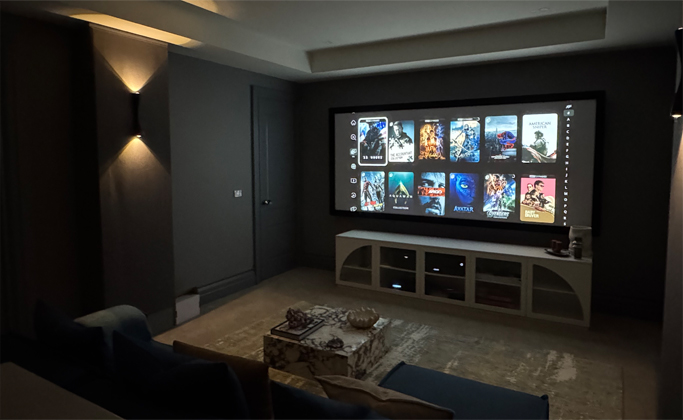
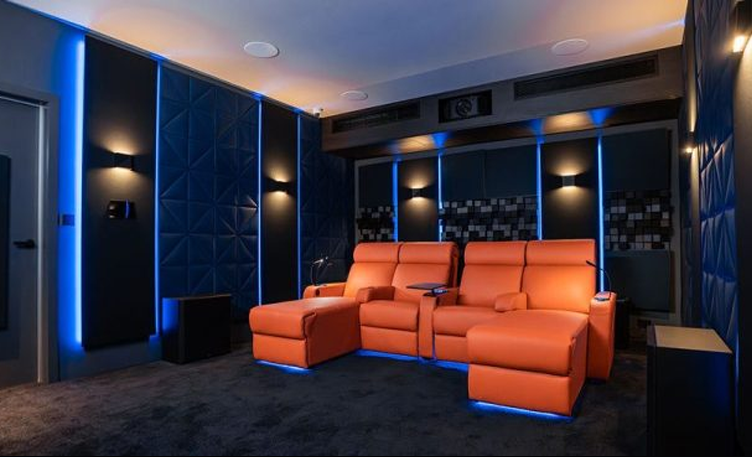
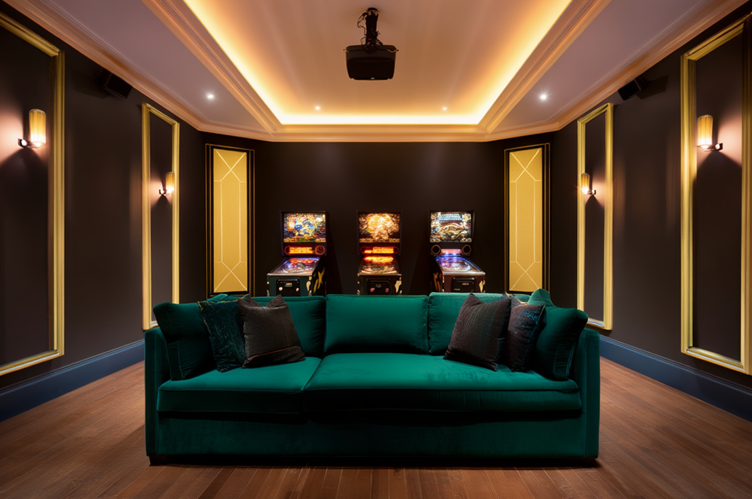
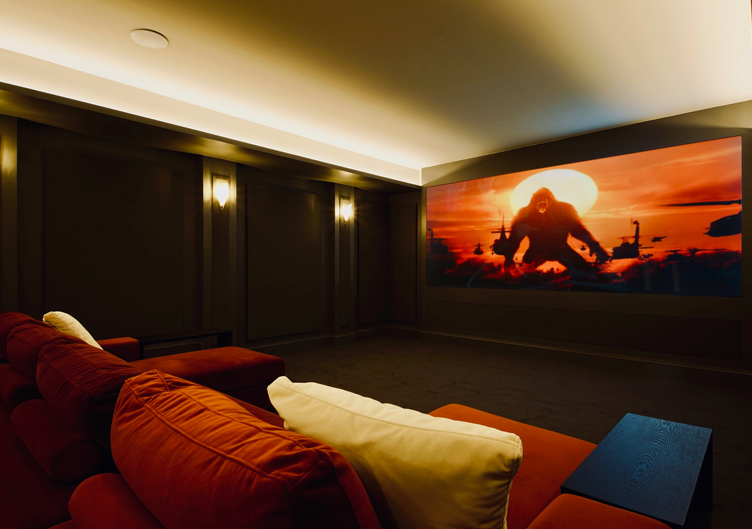
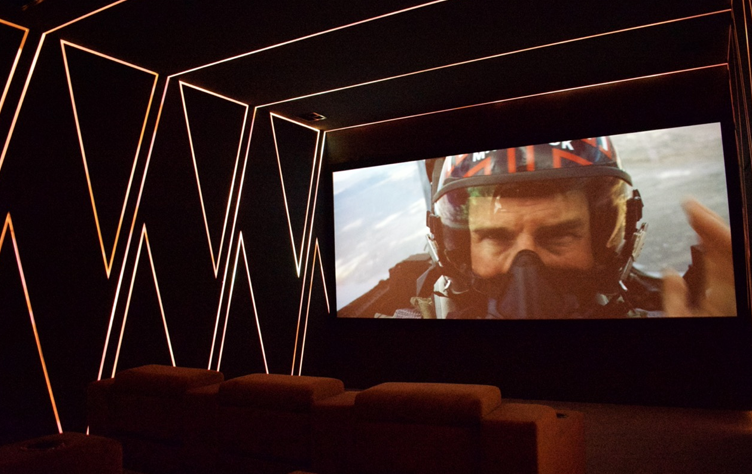
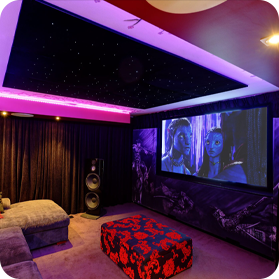
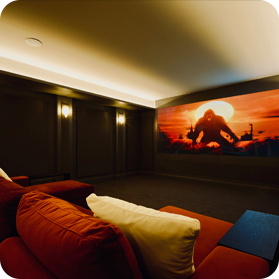
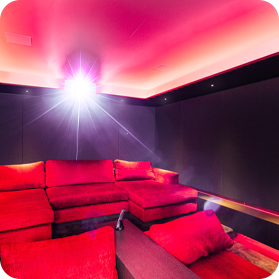
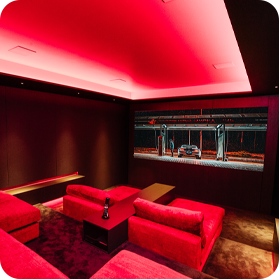
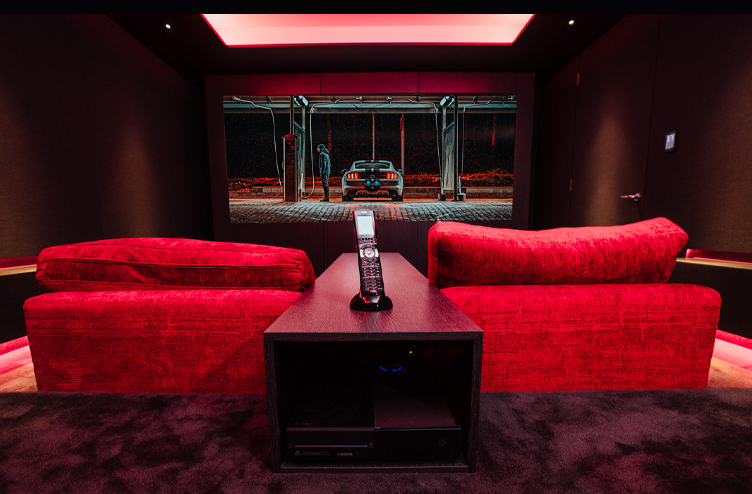
Lighting is set up so it works with the room, not against it. When you’re using the system, it fades back. When you’re not, it supports the space.
Recognised
since 2021
Best Showroom / Experience
Centre
Ongoing Leadership Within
Global Integration
Recognised
since 2021
Best Showroom / Experience
Centre
Ongoing Leadership Within
Global Integration
You can have a great system, but if the lighting isn’t right, it affects how the room feels and how the picture holds up.
Harsh downlights and reflections can wash out the screen and make the room uncomfortable to use.
Lighting needs to be set up for viewing, not treated like a standard room. When it’s done properly, it supports the system instead of working against it.
Standard downlights are designed to light a space, not a screen.
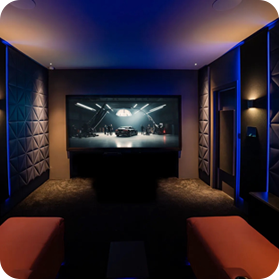
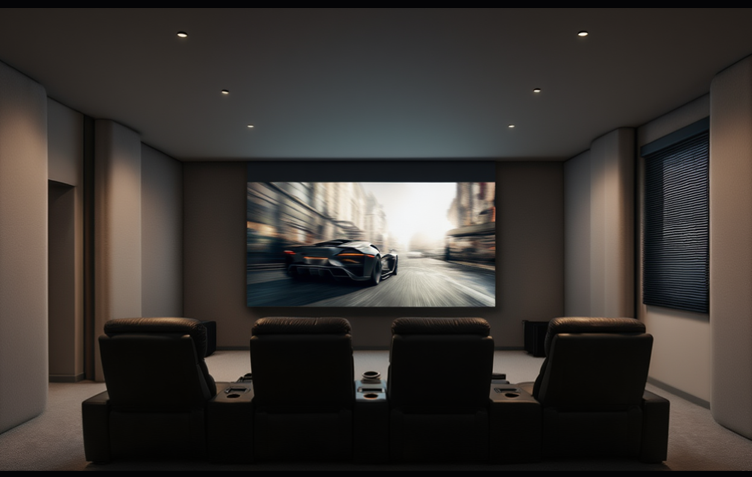
In a theatre, lighting is set up so it stays out of the way and doesn’t interfere with the picture.
The goal is simple. Reduce glare, protect contrast, and keep the room comfortable to sit in.
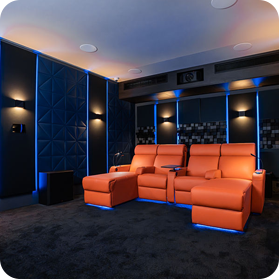
Lighting positioned so it doesn’t reflect onto the screen
Different lighting used for entry, movement and viewing
Smooth control so lighting can be lowered without flicker or harsh changes
Lighting is planned around the screen and seating, so it doesn’t interfere with the picture.
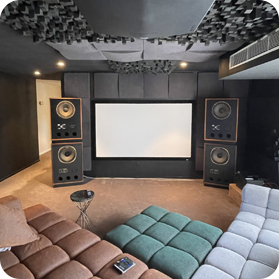
Everything is positioned so light falls where it should, not onto the screen. Control is kept simple, with scene settings that let you adjust the room without thinking about it. If you’re building a full room, this works alongside acoustic treatment so lighting and sound don’t work against each other.
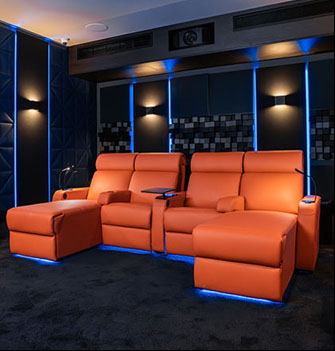
The lighting is designed to suit how the room is used.
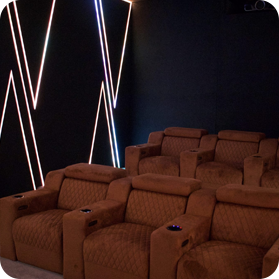
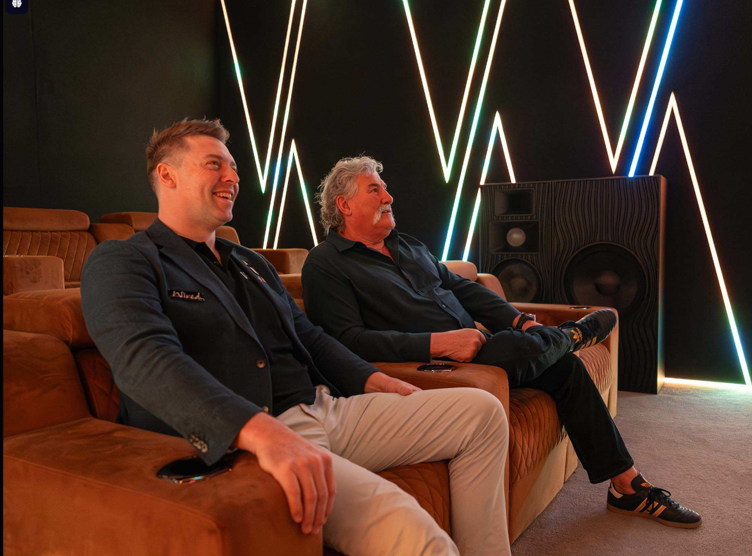
It looks right when the room is on, and then fades back when you start watching. Everything works together so nothing competes with the screen.
Planned as part of the build, not added in later
Lighting steps back during viewing so it doesn’t interfere
Different lighting used for movement, setup and viewing
Scene settings that adjust the room without needing to think about it
Lighting is set up so it supports the system, not the other way around. When it’s done properly, glare is reduced, contrast holds up, and the room stays comfortable to use.
Positioned so light stays off the screen and doesn’t wash out the image
Entry, setup and viewing modes that adjust the room with one touch
Lighting that avoids harsh spots and keeps the room easy to sit in
Built across a range of home theatre and media room setups
Work recognised for consistency and attention to detail
Switches, trims and fixtures selected to suit the space
Lighting is planned as part of the theatre, not added in after. It’s set up alongside the screen, projector and seating so nothing interferes with viewing. The focus is on a clean install that’s easy to maintain and adjust over time.
Considered as part of the full room, not fitted in later
Positioned so light doesn’t affect the image
Installed so it looks right and can be maintained easily
Settings that work the same way every time you use the room
Most lighting issues come down to glare, poor zoning, and the wrong fittings in the wrong places. Fixing it usually doesn’t require rebuilding the room, it requires getting the setup right.
The right lighting changes how the room works. It affects how the picture holds up, how long you can sit comfortably, and how easy the system is to use.
You shouldn’t need to explain how the room works every time someone uses it. With scene-based control, everything responds the same way each time. Lighting supports the system instead of competing with it, so the screen and sound stay the focus.
You get a clear plan, a clean install, and a system that works the same way every time.
We review the space or plans and map out screen position, seating and control.
Zones and scenes are set out so the system fits the room and how it will be used.
Everything is installed and tested so lighting works properly with the system.
Final tweaks are made and you’re shown how everything works so it’s simple to use.
Timing matters. Once the walls are closed, options become limited. Booking early means the layout, wiring and control are planned properly before that stage.
Absolutely. We can integrate your theatre lighting with the broader home system so lighting, shading, and ambience work together as one, whether you are starting a movie or hosting guests.
Most theatres suit warm white for ambient and accent lighting (often around 2700K–3000K).
Where flexibility matters, we can specify tunable white so scenes can shift between warmer and more neutral tones depending on use.
We specify temperatures based on your finishes, screen brightness, and the mood you want.
Yes. Soft ambient lighting around the room helps your eyes adjust to darker scenes and reduces visual fatigue, especially when it fades smoothly before and after playback.
Keeping lighting at controlled, low levels supports comfort without lifting the perceived blacks on the screen.
We often specify low-level bias lighting behind the screen or around the room to reduce eye strain without lifting perceived blacks.
It can if the wrong drivers, dimmers, or load types are paired. We specify compatible components and tune dimming curves so performance stays smooth and stable at low levels, where theatre lighting matters most.
Yes. In most cases, lighting can be upgraded or retrofitted without major disruption. We can incorporate new fixtures, dimming systems, or ambient effects into your existing space, improving both the look and functionality of the room while preserving your current setup and finishes.
Yes. Depending on the system, we specify control solutions that make lighting scenes repeatable and simple, keypads, app control, remote control, or tablet control, depending on how you run the room
Not necessarily, but smart home automation makes operation effortless and repeatable.
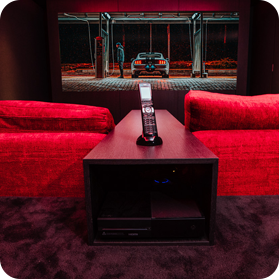
With preset scenes for Movie, Intermission, or Cleaning, the entire room can adjust at the touch of a button, with no guesswork and no switch clutter.
If you’re building a theatre as part of a wider control ecosystem, we can align lighting with premium smart home solutions from day one
Low-glare fittings, dimmable LEDs, and indirect lighting are ideal for maintaining screen contrast and comfort. A layered mix of ambient lighting, task lighting, and accent lighting usually performs better than relying on downlights alone.
It depends on the room and how far you want to take it. Some setups are more straightforward, while others involve a dedicated room and a more detailed build. We work within your budget and show you what makes sense for the space, so you know where the money is going and what you’re getting.
If your room looks good on paper but feels harsh or awkward to use, it usually comes down to the lighting.
The fix is getting the setup right so it supports the system, not working against it. We design and install lighting that protects the picture, improves comfort, and keeps control simple.
If your room looks good on paper but feels harsh or awkward to use, it usually comes down to the lighting. The fix is getting the setup right so it supports the system, not working against it. We design and install lighting that protects the picture, improves comfort, and keeps control simple.