How Smart Home Technology Supports Wellbeing at Home
The home environment has a direct effect on how you feel, how well you sleep, how focused you...
LEARN MOREBespoke technology and automation solutions that elevate the way you live, relax and entertain.



One of the most common misconceptions we see in the home cinema space is the term “soundproofing.” It’s thrown around a lot, but often misunderstood. So let’s break it down properly, because getting this right is the difference between a good cinema and an exceptional one.
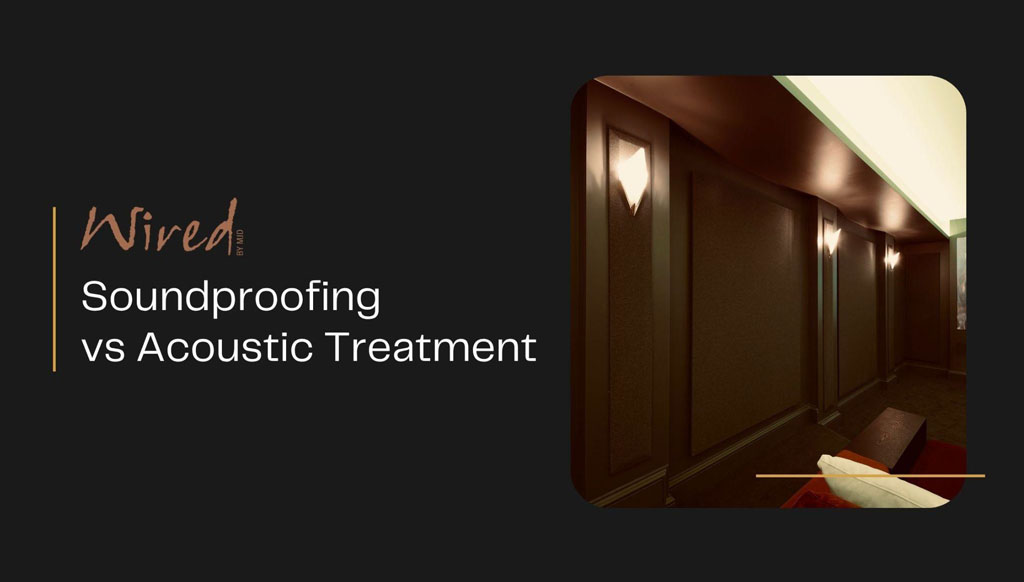
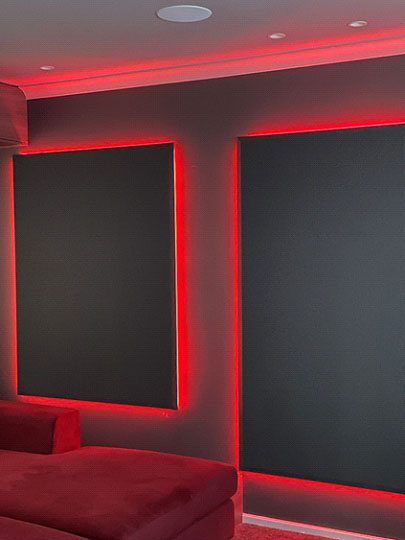
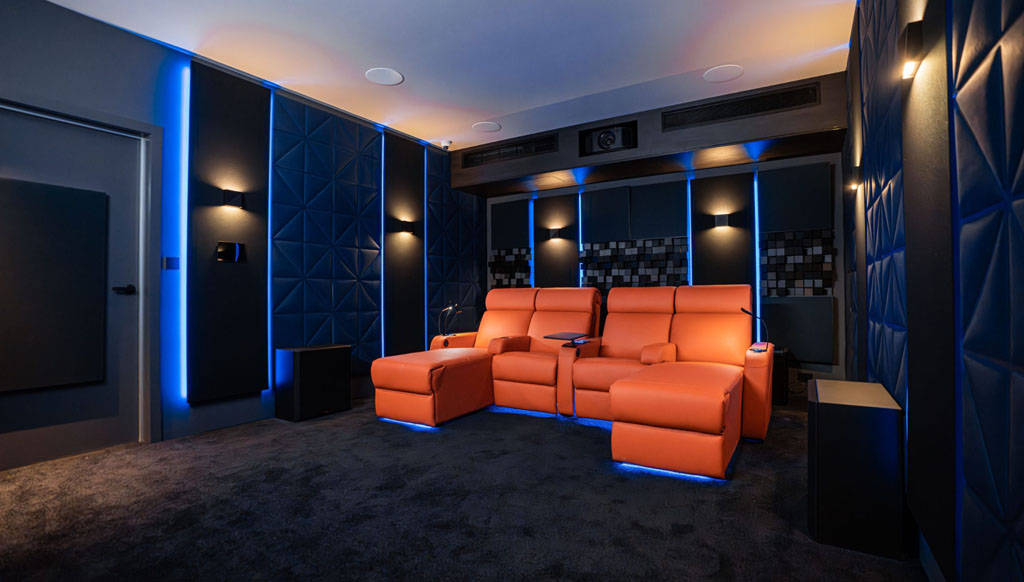
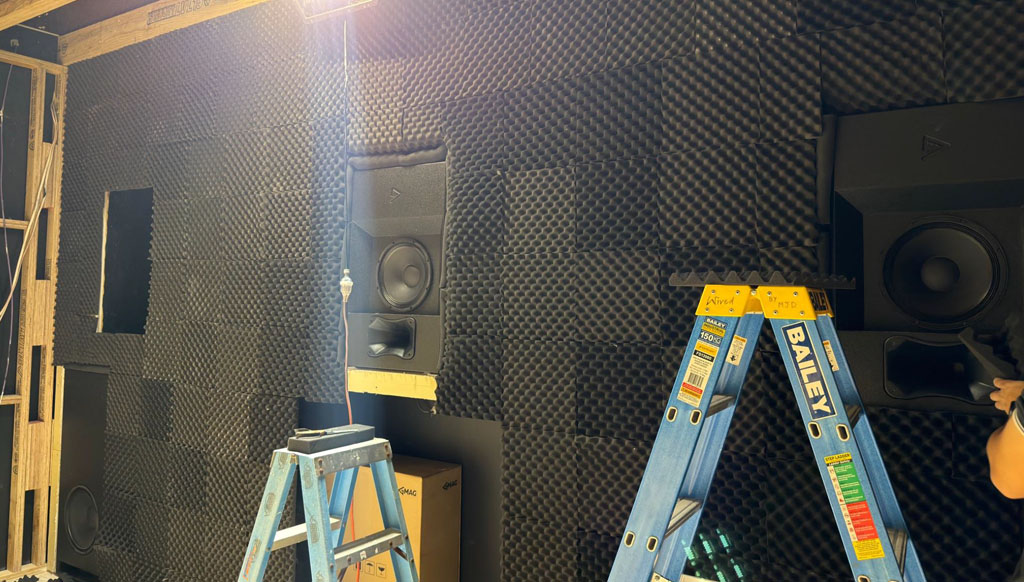
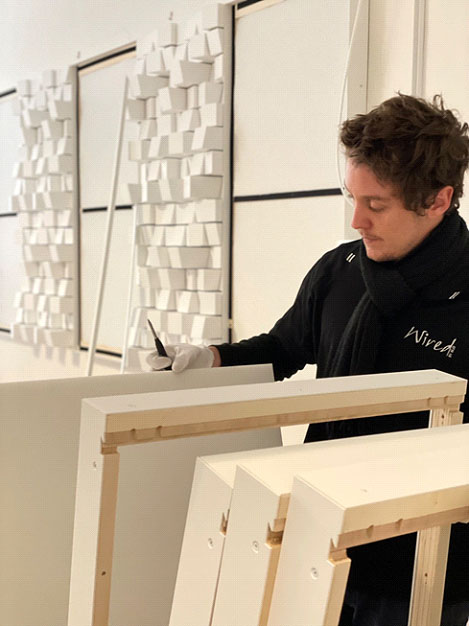
Acoustic treatment is all about enhancing your listening experience within the space. At Wired by MJD, this is where we spend a significant amount of design focus, because it’s what ultimately defines how your home cinema system performs.
Without treatment, sound waves bounce off walls, ceilings and floors, arriving at your ears at slightly different times. These are called reflections, and the earliest, strongest of these is known as the first-order reflection. This is often the most distracting, since your brain hears it almost as loudly as the direct sound.
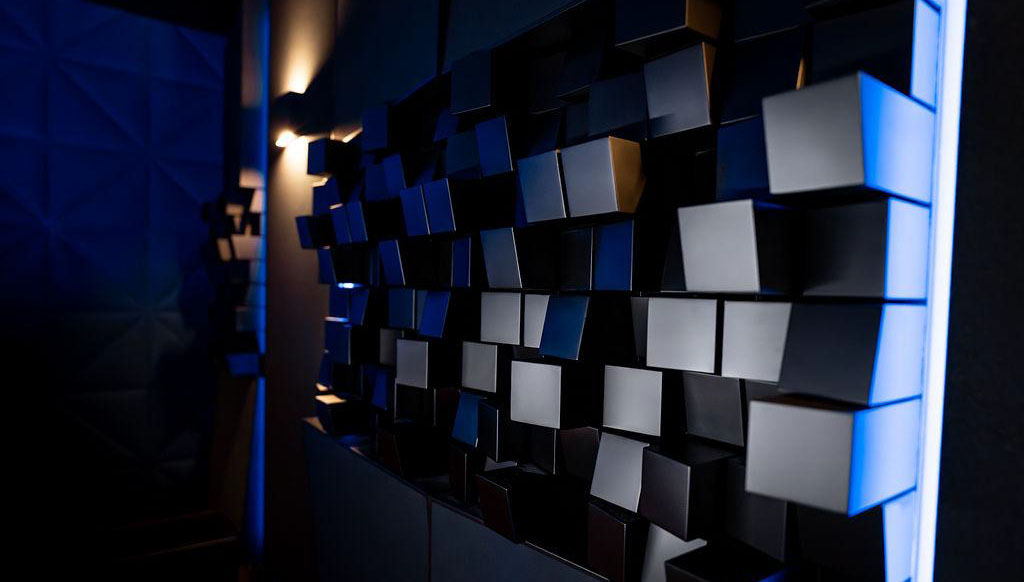
By strategically placing acoustic treatments, we absorb and redirect these reflections before they reach you. The result is dialogue that’s clearer, sound effects that are more precise, and an overall experience that’s far more engaging.
We also pay close attention to rear wall reflections. Sound hitting the back of your head at a short delay can be particularly disorienting, since our brains simply aren’t wired to process that well. Treating these areas reduces that distraction and creates a more natural, immersive soundstage.
But here’s the key: balance matters.
Too little treatment, and the room feels chaotic. Too much, and it becomes flat and lifeless. This is why engaging an experienced designer is critical. Acoustic treatment isn’t guesswork, it’s precision engineering tailored to each individual space, and it’s a core part of how we approach home theatre acoustic design on every cinema project.
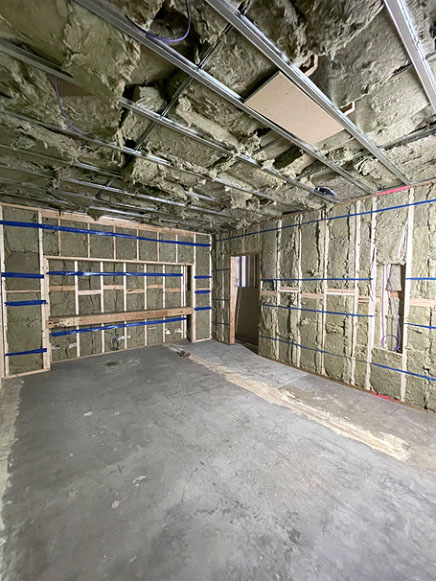
Soundproofing, more accurately called sound isolation, is about controlling how much sound enters or leaves the room. And despite the name, achieving true “soundproofing” is extremely difficult. What we’re really doing is reducing sound transfer.
Sound will always find the weakest path. Typically, that starts with:
And here’s something many people don’t consider: weight.
The level of isolation required for high-performance cinemas can add significant structural load. Wired by MJD projects have exceeded 20 tonnes of additional weight in a single cinema space.
That’s why early collaboration matters. Involving the right team from the beginning, including the full design and installation process rather than just the equipment list, ensures structural engineering, HVAC and architectural elements all work together rather than against each other.
Acoustic treatment and soundproofing serve completely different purposes, but both are essential in creating a properly engineered cinema experience.
One shapes what you hear. The other controls where that sound goes.
At Wired by MJD, we don’t just install systems, we engineer environments where every detail is considered, every surface has a purpose, and every seat delivers the experience it should. This same thinking carries through the budget conversation too, which is part of why the cost of a home cinema varies as much as it does between tiers.
If you’re planning your cinema, start the conversation early. It’s the difference between watching a movie and truly experiencing it.
Acoustic treatment improves how sound behaves inside a room, reducing reflections and improving clarity. Soundproofing, or sound isolation, controls how much sound travels between rooms. They serve completely different purposes, and both are needed in a high-performance home cinema.
True soundproofing, where zero sound escapes, isn’t practically achievable. What we design for is sound isolation: minimising how much sound transfers in or out to a level that’s acceptable for the home and the neighbours. The higher the isolation target, the more engineering is involved.
Without acoustic treatment, sound waves reflect off hard surfaces and arrive at your ears at different times, blurring the audio image. Strategic acoustic treatment absorbs and diffuses those reflections, resulting in clearer dialogue, more precise sound effects and a more immersive overall experience.
It varies significantly depending on the isolation target and the construction of the existing space. In high-performance builds, soundproofing can add substantial structural load. Wired by MJD projects have seen over 20 tonnes of additional weight added to a single room, which is why early engagement with your design team, before construction begins, is critical.
As early as possible. Acoustic and isolation design decisions affect the structure, HVAC, floor construction and wall build-up, all of which are far easier and cheaper to address at the design stage than after construction has started.
Planning a cinema and want to get the acoustics right from the start? Talk to the Wired by MJD team early in your project.
The home environment has a direct effect on how you feel, how well you sleep, how focused you...
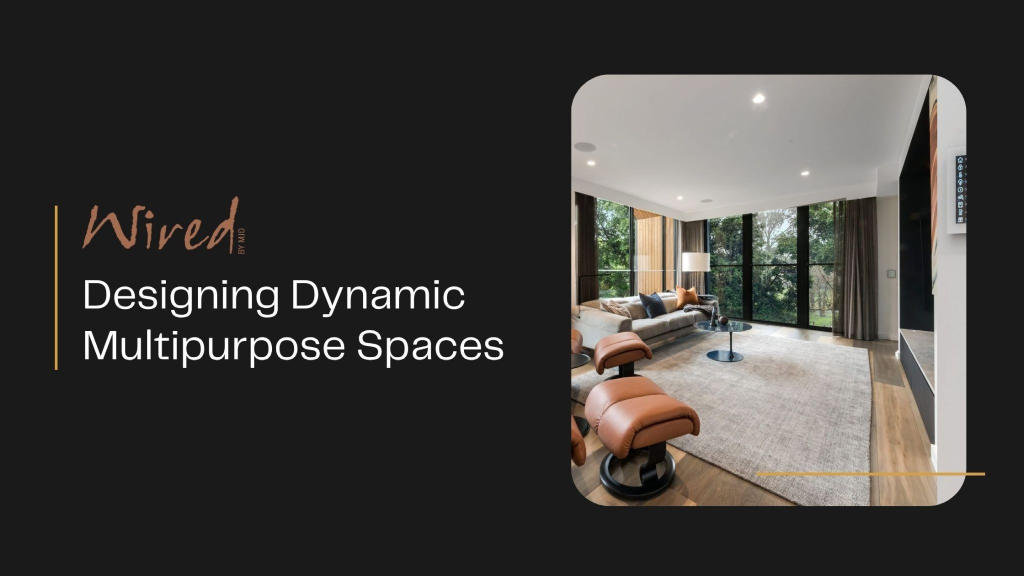
LEARN MOREA dynamic space is one designed to change. Not just in how it looks, but in how it...
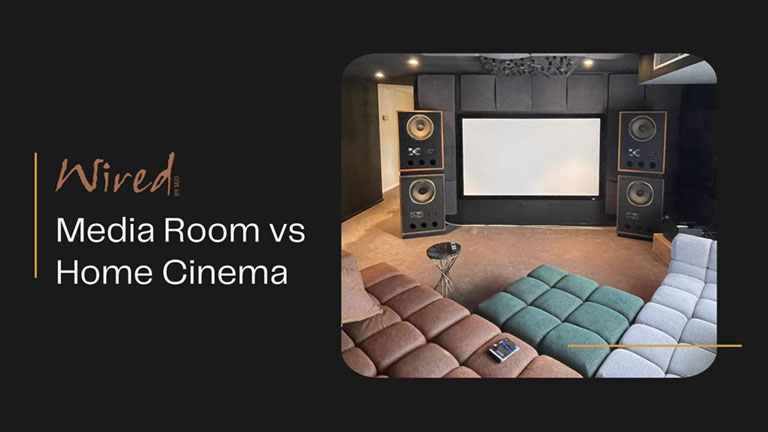
LEARN MORE“Home cinema” is a term I hear used a lot, usually to describe a space where the family...
LEARN MOREThere’s still an ongoing debate when it comes to home cinema: projector or large-format display. Both have come...
LEARN MOREPeople ask us what a home cinema costs more often than almost anything else. The honest answer is...
LEARN MORE